ETYMOLOGY
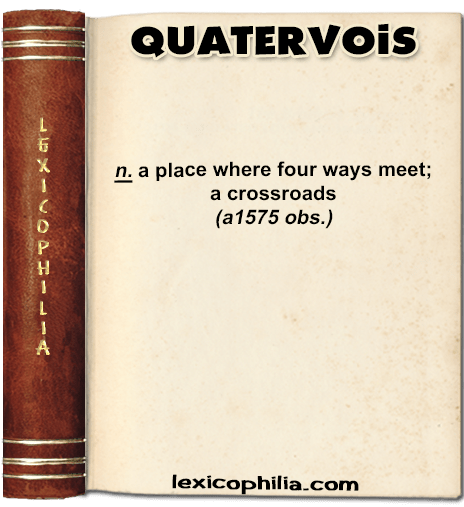
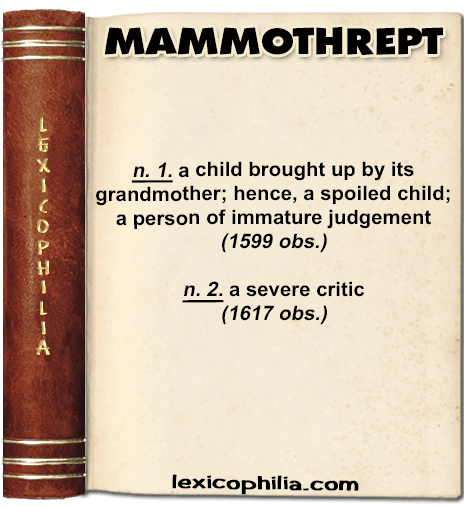
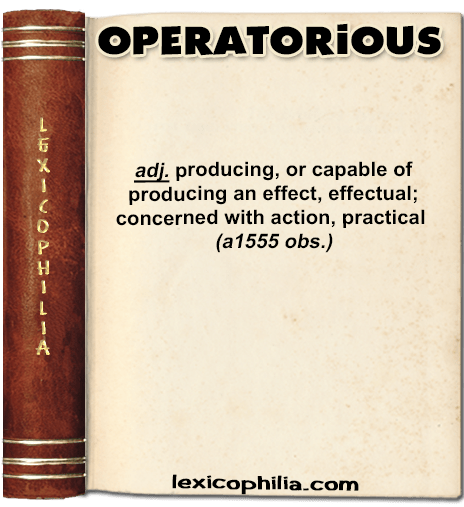
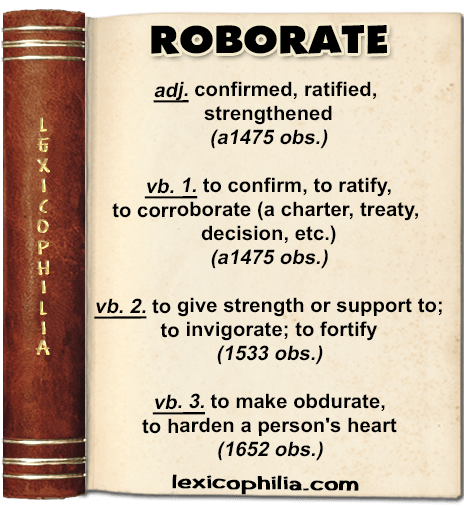
from Old French type couardos + -ous
EXAMPLE
“…The cowardous pees that was ordeyned…”
From: The Chronicles of England
By: William Caxton (1480)

ETYMOLOGY
from Old French type couardos + -ous
EXAMPLE
“…The cowardous pees that was ordeyned…”
From: The Chronicles of England
By: William Caxton (1480)

ETYMOLOGY
from Latin petulcus (inclined to butt, butting, wanton, frisky);
(from petĕre – to aim at, assail + -ulcus (suffix forming adjectives) + -ous
EXAMPLE
“…But what does the Pape or Christian Pastour do in this case When the tumult is once raised and a disorder begun in any part of his flock by som proud turbulent spirit amongst them, the Pape first whistles him and his fellow petulcous rams into order by charitable admonition which still encreases lowder by degrees…”
From: Fiat Lux:
Or, A general Conduct to a right understanding and charity in the great Combustions and Broils about Religion here in England, Betwixt Papist and Protestant, Presbyterian and Independent
By John Baptist Vincent Canes

ETYMOLOGY
probably from Angloromani (English Romani) mónoshi (woman, wife),
from Romani månuš (man) + -ī (feminine suffix)
EXAMPLE
“…I was standing near the prosecutor’s shew-glass, talking to a young man; the prisoner and another came to the glass, where I saw the medal lying: I saw them point at it; the other said, it would just do for him, and bid the prisoner look who was in the shop; he answered there was a Monisher in the shop; I suppose a cant word for a woman: Mrs. Storey was there: they went in; then I went into the house where I live; they came out in about three or four minutes: I went after them to the corner, and saw them running along Leicester-fields as fast as they could: I came back, and asked Mrs. Storey whether that medal was gold? she said it was she looked, and it was gone…”
From: The Proceedings of the Old Bailey, London’s Central Criminal Court
18th September, 1765

ETYMOLOGY
of unknown origin
EXAMPLE
“…Thro’ glaury holes, an’ dybs, nae mair
Ye’ll ward my pettles frae the lair,
Nor skinkle jet-black, here an’ there,
Wi’ white-thread hose;
Whan I gang to a kintry Fair,
To mak’ a sprose…”
From: Miscellaneous Poems, Songs, &c.,
Partly in the Scottish Dialect
By Ebenezer Picken, 1788

ETYMOLOGY
from Latin dēsidiōsus (slothful)
EXAMPLE
“…In my travels through the various counties of England, I have marked the lack of feracity, arising from the lower orders becoming desidiose. …”
From: Langreath: A Tale
By Mrs. Eliza Nathan, 1727

ETYMOLOGY
from Latin hospitālis (hospitable) + -ous
EXAMPLE
“…Too much, too little, or a meane, sort out alike, we see,
House-keeping, nor Humilitie, in any of the Three.
Be hospitalious, Churchmen: Lay, cease sacrilegious sinne:
Your Soules-sore, but their Stores-salue, whence, euē whiningly, they winne,
By pinching from the Pulpet, and their Purses, with this note,
Scarse will their Studies stipend them, their wiues, and Children cote…”
From: Albions England
A continued historie of the same kingdome, from the originals of the first inhabitants thereof
By William Warner, 1596

ETYMOLOGY
from Greek πορνo- (porno- comb. form) + ἐραστής (lover) + –ic
EXAMPLE
“…We hear nothing of those petit creve vices, those pornerastic habits in high places, those Diamond-necklace scandals, those unmentionable gambols of the Porphyro-geniti, which are too often thrust before our eyes in fiction, and indeed in fact…”
From: The Fortnightly Review
Edited by John Morley,
Vol. VII New Series, January to June, 1870
The Romance of the Peerage

ETYMOLOGY
from Scottish gundie (greedy, voracious) + guts
EXAMPLE
“…In short, these quarrels grew up to rooted aversions; they gave one another nick-names: she called him gundy-guts, and he called her lousy Peg, though the girl was a tight clever wench as any was, and through her pale looks you might discern spirit and vivacity, which made her not, indeed, a perfect beauty, but something that was agreeable…”
From: John Bull
By John Arbuthnot, 1712

ETYMOLOGY
from Latin impigr-
from im- + piger (slow, sluggish) + -ous
EXAMPLE
He was very impigrous in his work.

ETYMOLOGY
from un- (prefix) + buxom (adj.)
EXAMPLE
“…Betere þe were.
iboren þat he nere.
for betere is child vnbore. þane vnbuhsum.
þe mon þe spareþ yeorde. and yonge childe.
and let hit arixlye. þat he hit areche ne may…”
From: The Proverbs of Aelfred, a1250