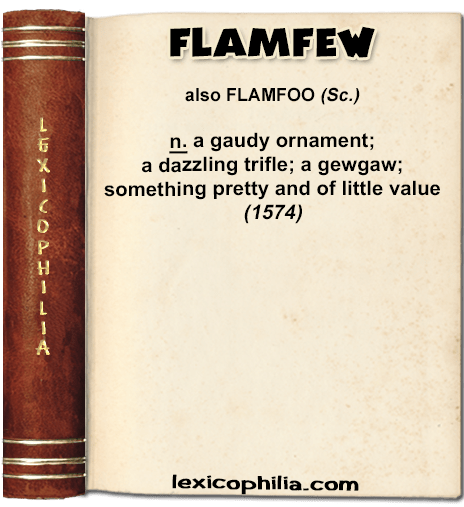
Word of the Day: FLAMFEW

ETYMOLOGY
corruption of French fanfelue, from medieval Latin famfalūca (bubble, lie),
apparently from Greek πομϕόλυξ (bubble)

EXAMPLE
“…In brest of the Godesse Gorgon was cocketed hardlye,
With nodil vnioyncted, by death, light vital amoouing.
Voyd ye fro theese flamfews, quoa the God, set a part the begun wurck
…”

From: Thee First Foure Bookes of Virgil his Aeneis
Translated intoo English heroical verse by Richard Stanyhurst, 1582

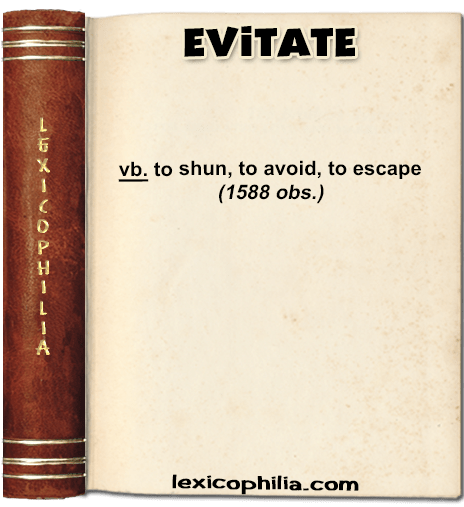
Word of the Day: EVITATE

ETYMOLOGY
from Latin evitatus, pa. ppl. of evitare (to shun),
from e– out + vitare (to shun)

EXAMPLE
“…So after the sayd father had informed himselfe of all that is sayde, and of many other thinges more, which is left out for to euitate tediousnes, till such time as of them may bee made a particular historie, hee departed from Goa and Cochin towardes Portingall, and passed by the Ilandes of Maldiuia which are many, & all are inhabited with Moores, nigh vnto the which they doe enter the poole Antartico, crossing the equinoctiall from the coast of Arabia, from thence they sayled with a faire winde till they came right against the Iland of sainct Lorenso, which is very great, for that it hath two hundreth seuentie and fiue leagues of longitude, and fourescore and tenne of latitude…”

From: The Historie of the Great and Mightie Kingdome of China
By Juan González de Mendoza
Translated out of Spanish by Robert Parke, 1588

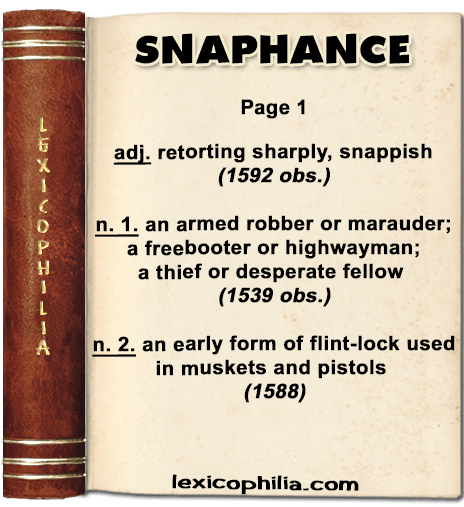
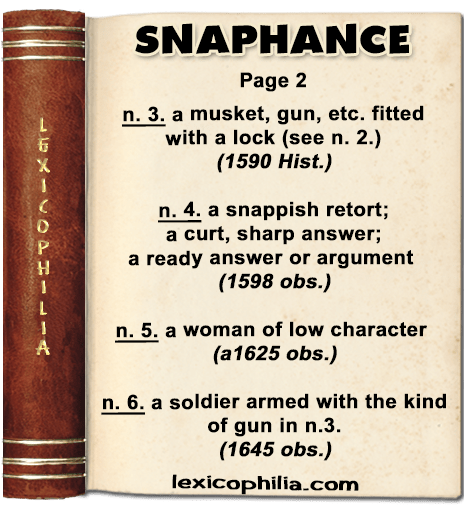
Word of the Day: SNAPHANCE

ETYMOLOGY
From OED: Of Continental origin, representing Dutch and Flemish snaphaan (in Kilian snap-haen ), Middle Low German snaphân , Low German snapphân , German schnapphahn (†-han ),
from snappen , schnappen (snap v.) + haan, hahn (cock).
It is not quite clear whether the sense is ‘snapping cock’ or ‘cock-snapper’ (i.e. cock-stealer).
In English the second element may have been confused with the personal name Hans; but Heyne (in Grimm’s Dict.) cites an early example of German schnaphons.

EXAMPLE
“…Fyrste to make this realme a praye to al venturers, al spoylers, all snaphanses, all forlornehopes, all cormerauntes, all rauenours of the worlde, that wyll inuade this realme…”

From: A Sermon of Cuthbert Tonstall, Bishop of Durham,
Preached on Palm Sunday, 1539, Before King Henry VIII;
By Cuthbert Tunstall

Word of the Day: DRUMBLE

ETYMOLOGY
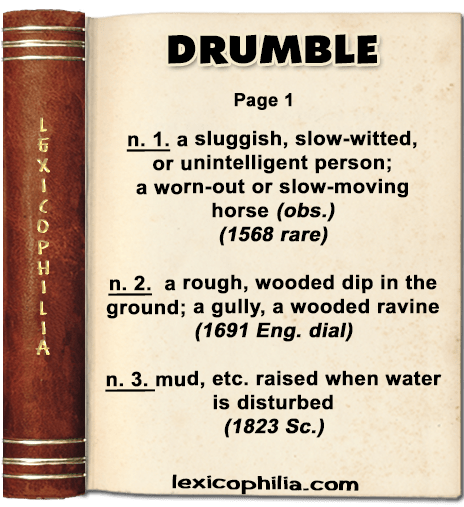
n. 1.: ? variant of dumbledummel (Eng. dial., a stupid, slow person)

n. 2.: a variant or alteration of dimble (a deep, shady dell, a dingle)

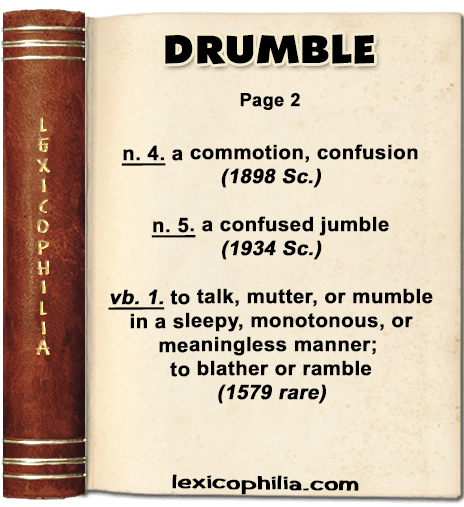
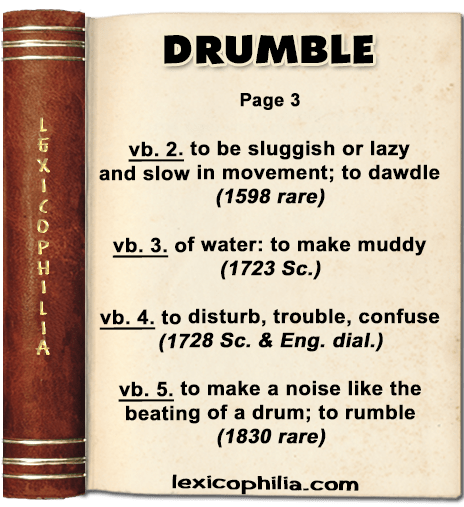
vb. 4.: apparently a nasalized form of drubble (to trouble, disturb), parallel to drumblydrumly (adj.) from drubly; but possibly a back-formation from the adj.

vb. 5.: blend of drum and rumble

EXAMPLE
“…Yea but what am I, a Scholer, or a scholemaister, or els some youth.
A Lawier, a studient or els a countrie cloune
A Brumman, a Baskit maker, or a Baker of Pies,
A flesh or a Fishmonger, or a sower of lies:
A Louse or a louser, a Leeke or a Larke:
A  Dreamer, a Drommell, a fire or a sparke:
A Caitife, a Cutthrote, a creper in corners,
A herbraine, a hangman, or a grafter of horners
…”

(Note: drommell is the earliest variant of drumble)

From: A New Tragicall Comedie of Apius and Virginia
By R.B., 1575

Word of the Day: NUMPS

ETYMOLOGY
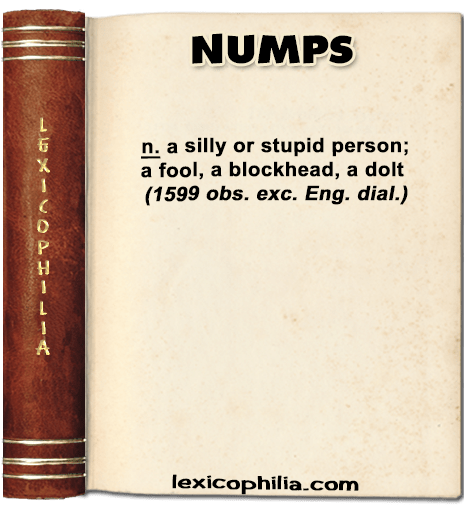
of uncertain origin;
From the OED: “Perhaps originally a pet form of the male forename Humphry, as suggested by the context in … examples.”

EXAMPLE
“…to his worthie good patron, Lustie Humfrey, according as the townsmen doo christen him, little Numps, as the Nobilitie and Courtiers do name him, and Honest Humfrey, as all his friends and acquaintance esteeme him…”

From: Lenten Stuffe
By Thomas Nashe, 1599

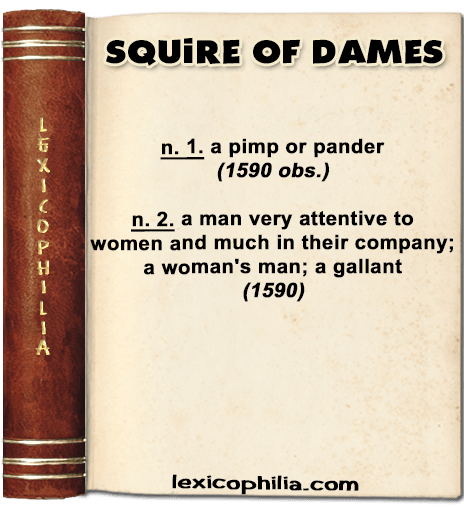
Word of the Day: SQUIRE OF DAMES

ETYMOLOGY
from squire

EXAMPLE
“…Me, silly wretch, she so at vantage caught,
After she long in wait for me did lie,
And meant unto her prison to have brought,
Her loathsome pleasure there to satisfy;
That thousand deaths me lever were to die
Than break the vow that to fair Columbell
I plighted have, and yet keep steadfastly.
As for my name, it mistreth not to tell;
Call me the Squire of Dames, that me beseemeth well
…”

From: The Faerie Queene
By Edmund Spenser, 1590

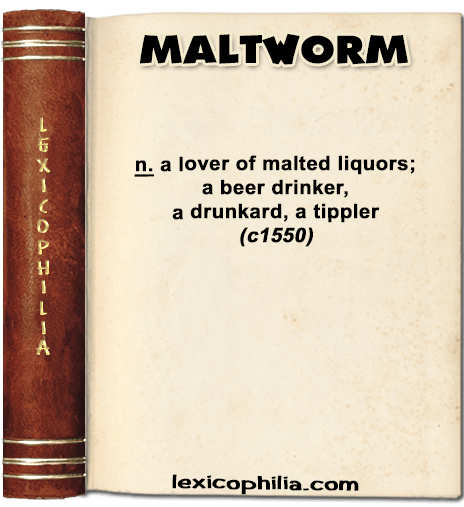
Word of the Day: MALTWORM

ETYMOLOGY
from malt + worm

EXAMPLE
“…And Kytte, my wyfe, that as her lyfe
Lovethe well good ale to seke,
Full ofte drynkythe she that ye maye se
The teares ronne downe her cheke.
Then dothe she troule to me the bolle
As a goode malte-worme sholde,
And say, “Swete harte, I have take my parte
Of joly goode ale and olde
…”

From: The Poetical Works of John Skelton (1843)
Drinking Song (I Cannot Eate But Lytyll Meate)

Word of the Day: QUILLER

ETYMOLOGY
n. 1. : from quill (a small pipe or tube)  + -er
n. 2. : from quill (to form into small cylindrical plaits or folds resembling a quill) + -er

EXAMPLE
“…Epi. O sir your chinne is but a quyller yet, you will be most maiesticall when it is full fledge. But I maruell that you loue Dipsas that olde Crone…”

From: Endimion, The Man in the Moone
By John Lyly, 1591